Vessel Viewer
Vessel clerks tracked every container by hand, hundreds of paper sheets per ship, and the vessel couldn't leave until all of the data was collected, keyed in, and checked. I built the tablet app that moved that work to the dock, in real time.
Contribution
Client
Duration
Year
Challenge
Six hours a day were going to confirming things that already happened.
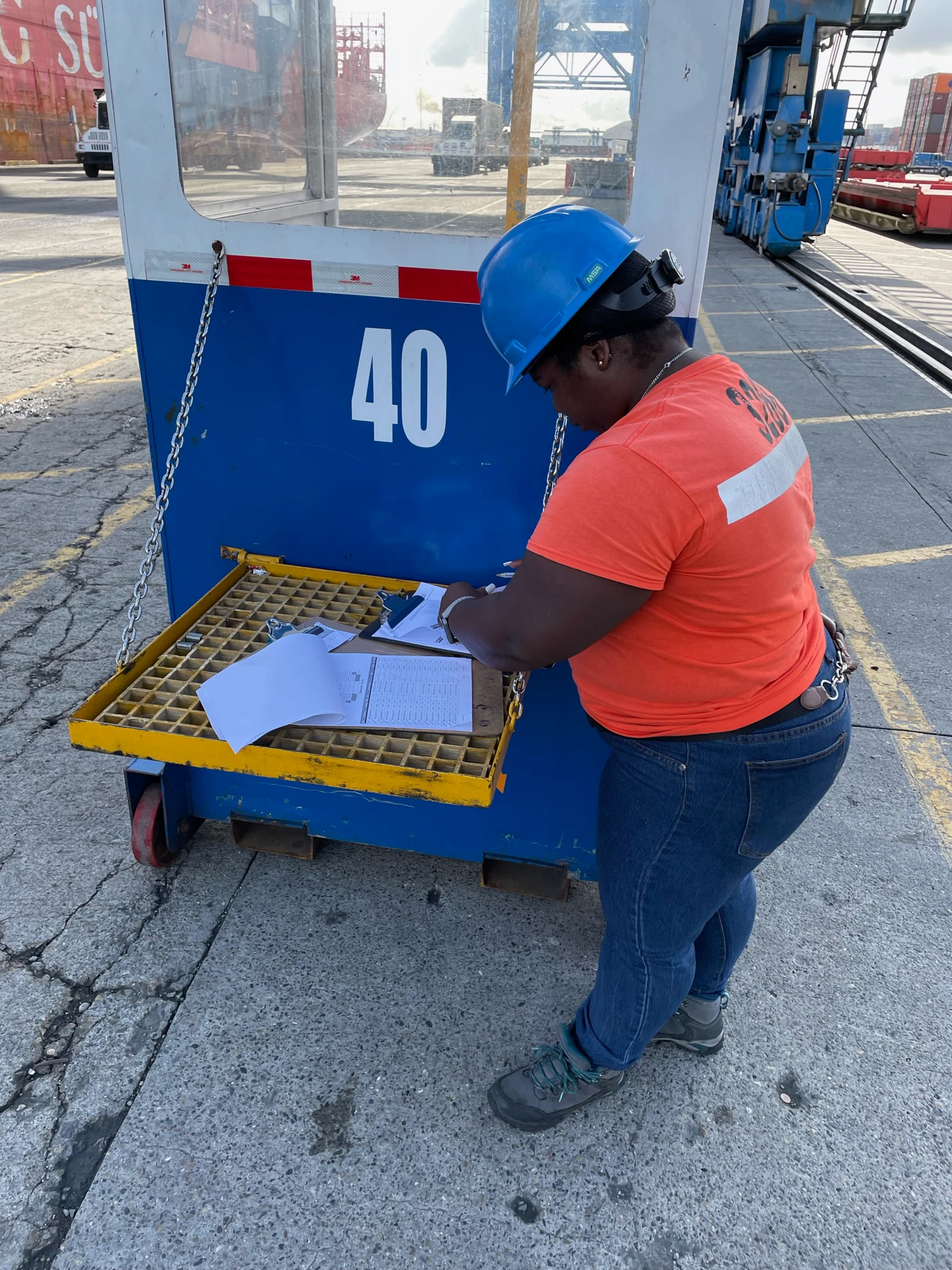
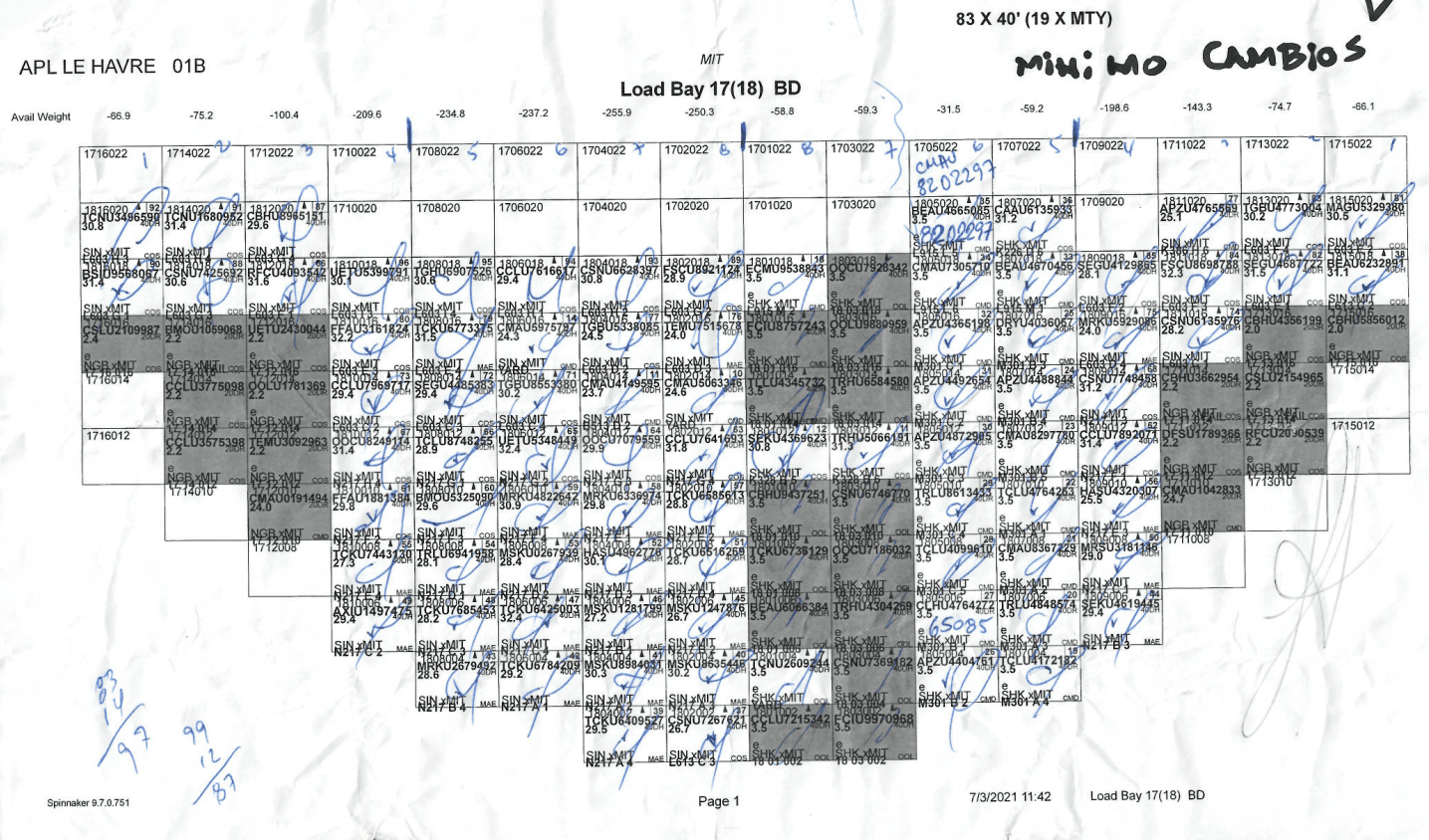
Vessel work at major ports ran on handwritten sheets, radio calls, and knowledge that lived in people's heads. Clerks recorded every container move by hand, hundreds of paper sheets per ship. After the ship was worked, the sheets were collected, keyed them into the system, and cross-checked them against the crane logs and the ship's records. Only once all of that reconciled could the vessel leave. It felt normal because it was all anyone had ever done.
Paper was slowing people down, but the paper was only a symptom. The real problem was information showing up late, duplicate entries, and a lag everyone had stopped noticing. What no one could see, until I mapped it, was that approximately six of every 24 working hours went to confirming things that had already happened on the dock.
Scale
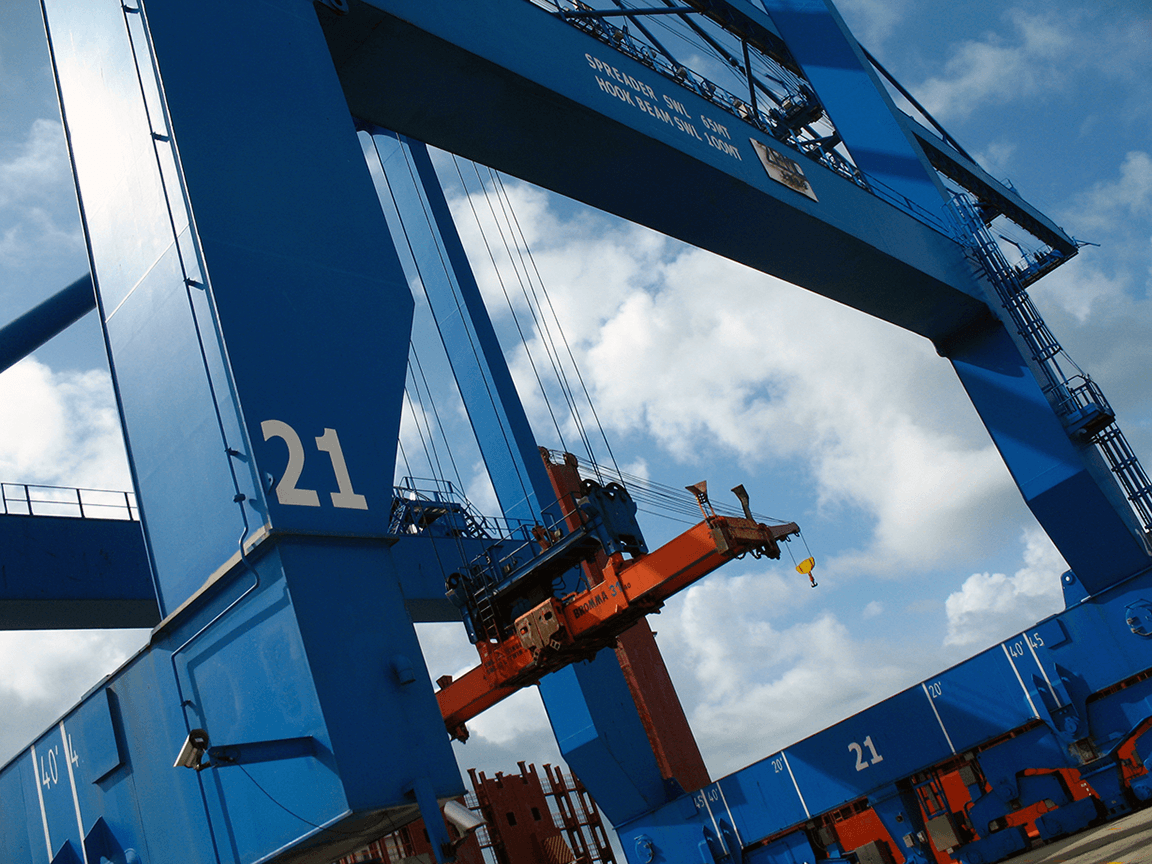
Clerks with clipboards were keeping count of a floating warehouse the size of a skyscraper.
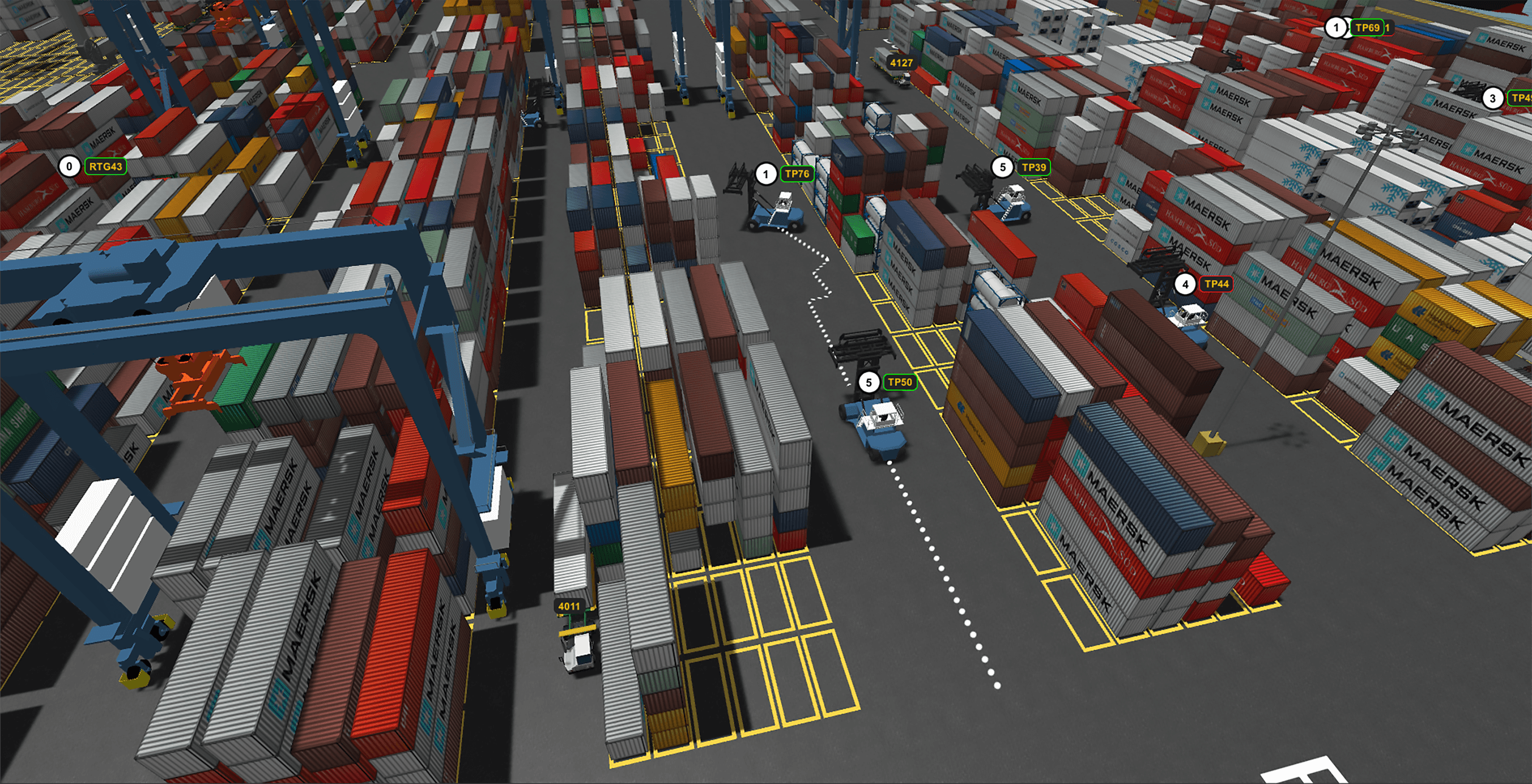
Each vessel would require hundreds of bay sheets, and the ships keep getting bigger. At a single medium-sized port, more than 1.8 million containers move through in a year. Even a 1% error rate turns into costly idle time, a ship or a crane waiting while someone sorts out a discrepancy by hand.
Global trade was growing, vessels were growing, and the paper wasn't going to scale with either. That's what made this worth solving now, not eventually.
Solution
Built to meet clerks where they already work.
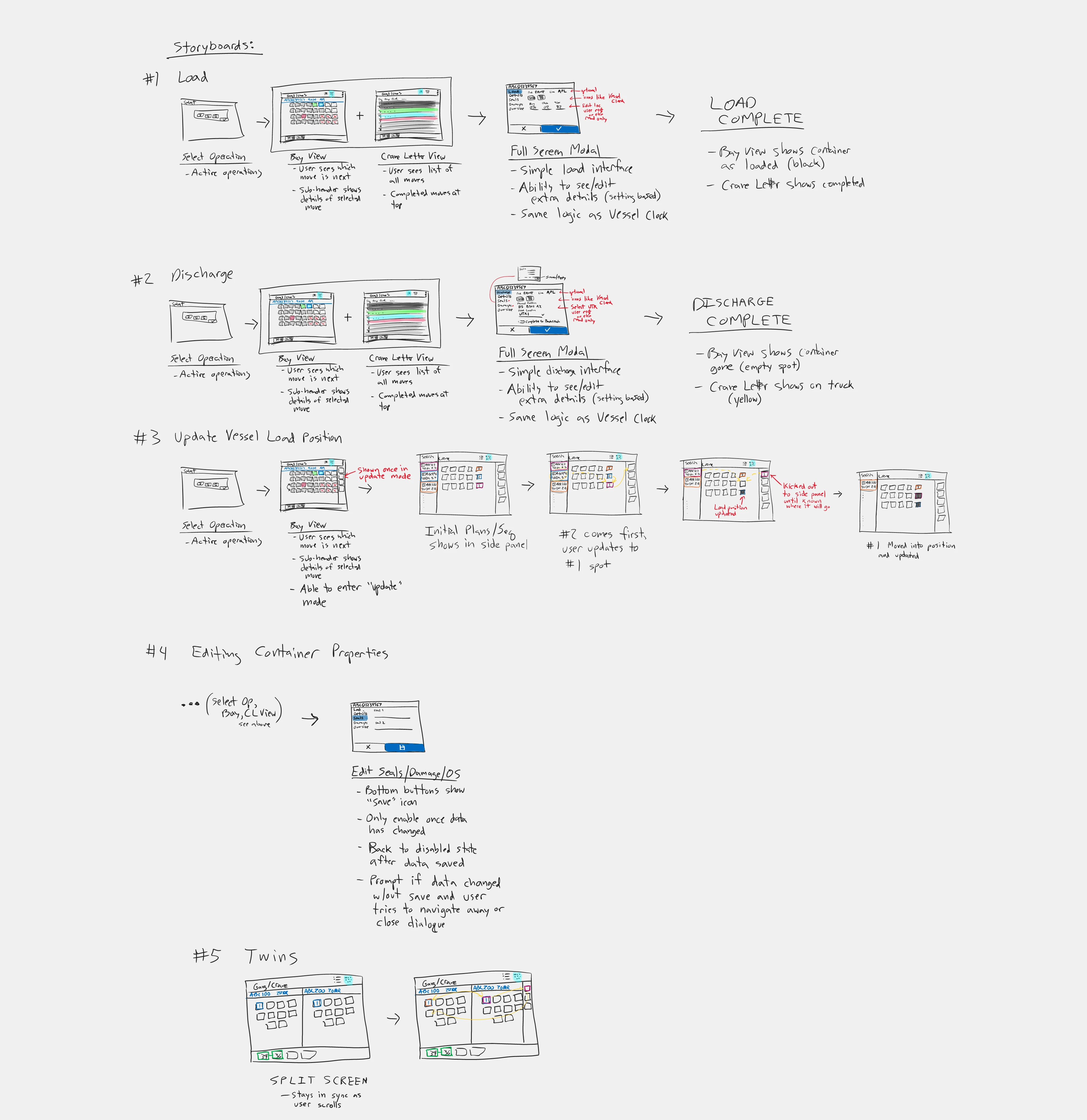
I owned the design end to end, research, flows, prototyping, and final UI, and I built it remotely, with Tideworks staff on-site as my hands for photos, feedback, and tests. I started by mapping how clerks actually work: who uses it, in what conditions, at which moments, and what success would look like for them and for the terminal.
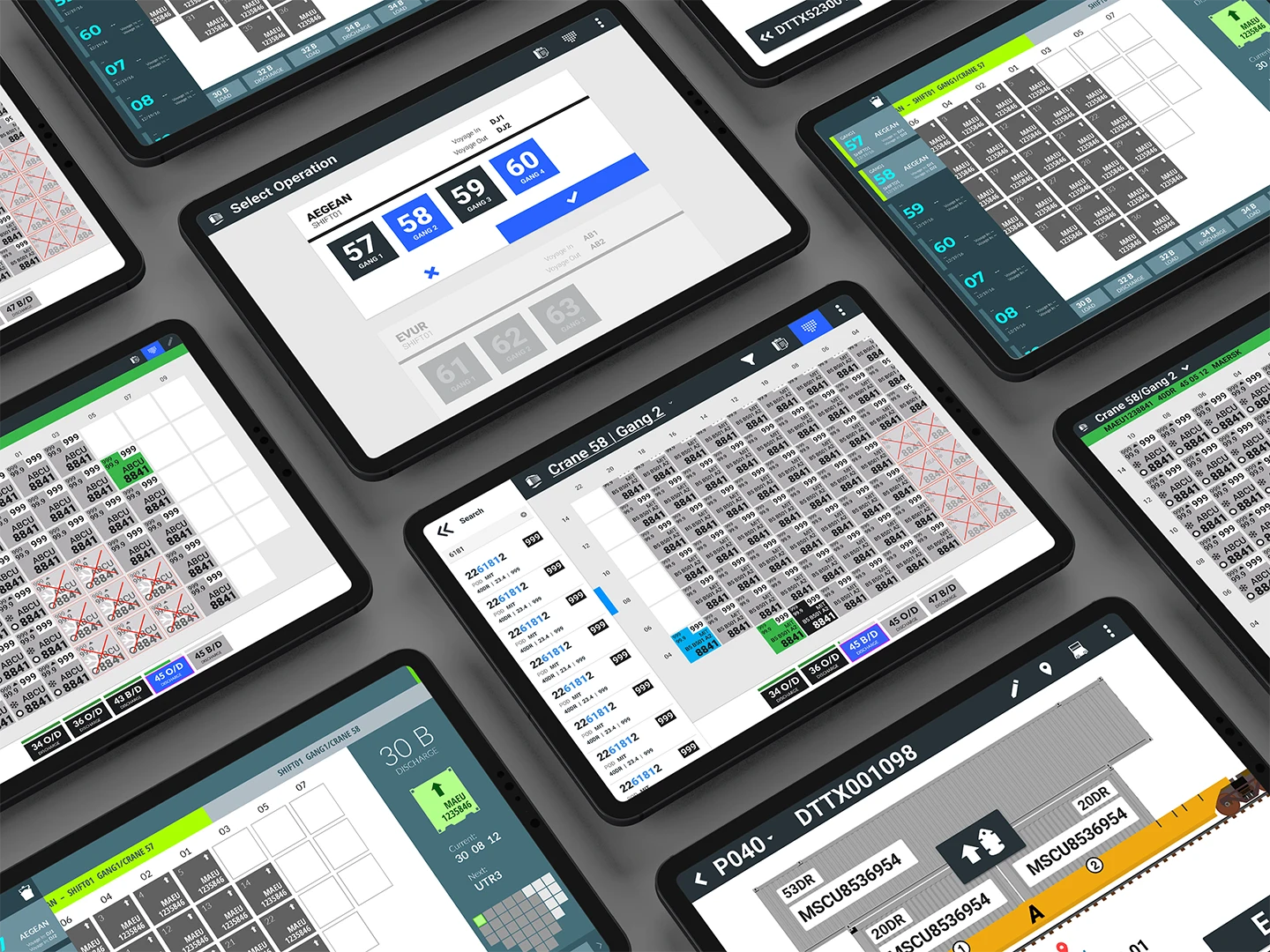
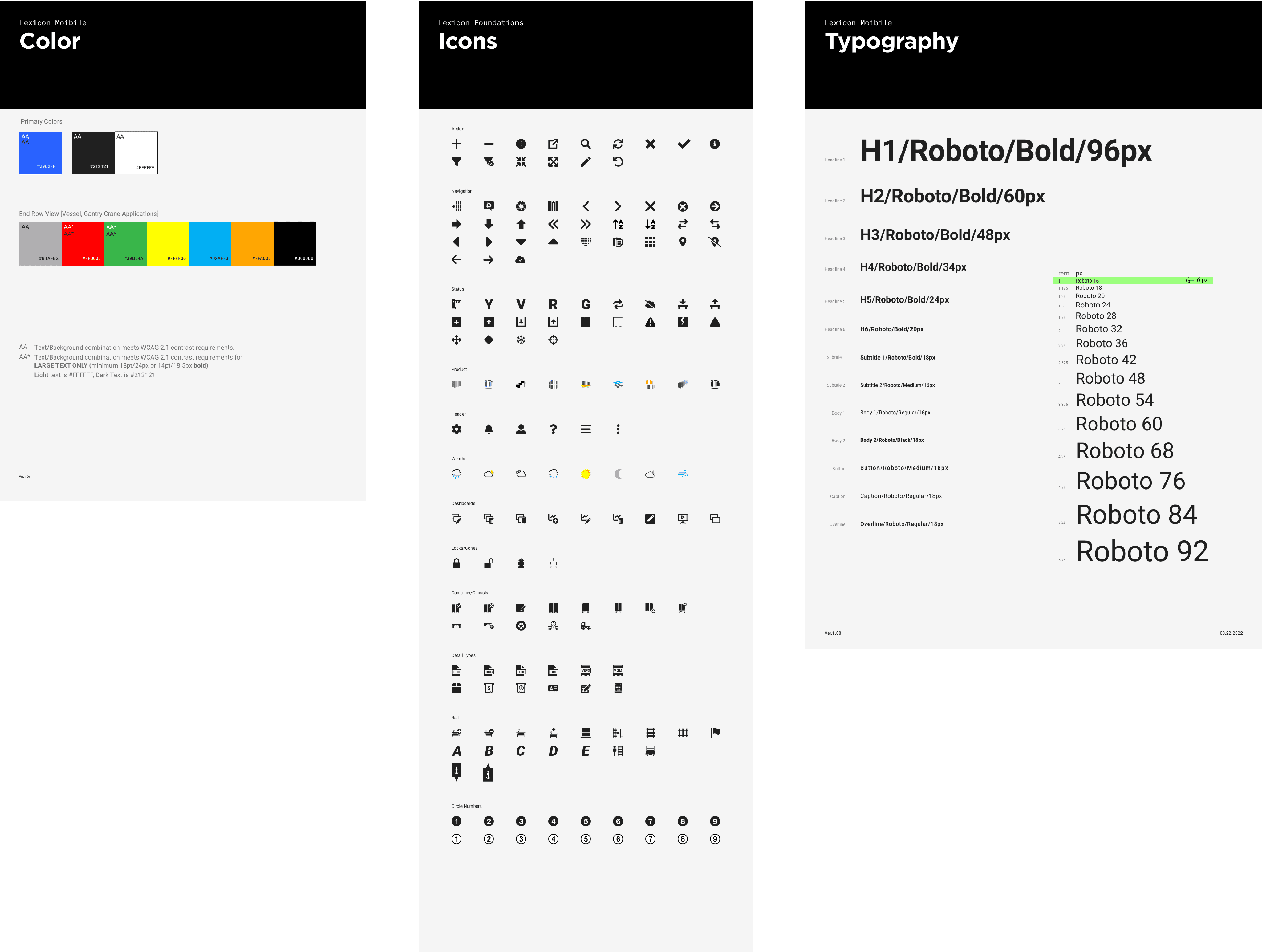
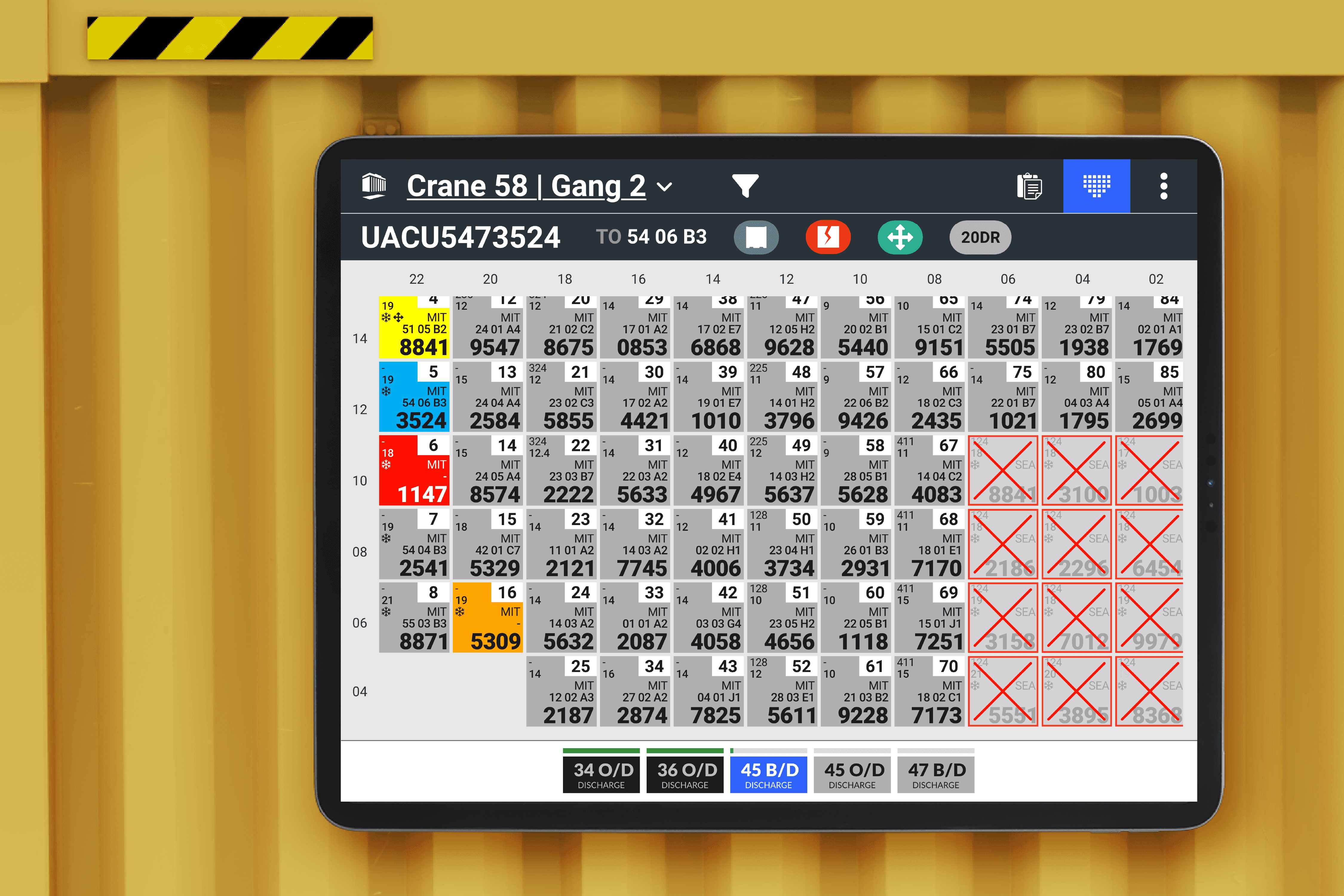
The result was a tablet-first app for recording container moves live, instead of on paper to be keyed in later. I kept the interface deliberately minimal, because complexity is dangerous on a working dock: big clickable areas, a clear typographic hierarchy so the critical information is readable at a glance, and standardized color codes that had drifted differently across terminals.
Outcome
The direction was working, and the team wanted to keep going.
I designed Vessel Viewer to prove that you could take one of the oldest, most stubborn paper processes on the dock and make it faster and safer, without asking terminal operators to change how they think.
The measure of the work isn't a single number. It's that a decades-old process everyone had accepted as unchangeable turned out to be changeable, and the people who lived in it every day wanted more of it.
With more time I'd have added automated capture at the crane so nothing depends on a tap, tracked ROI once it was in daily use, and pushed into predictive planning, catching the conflict before it happens instead of recording it after.
More projects.
A curated lineup of design that earns its keep, simple on the surface, brutally intentional underneath.